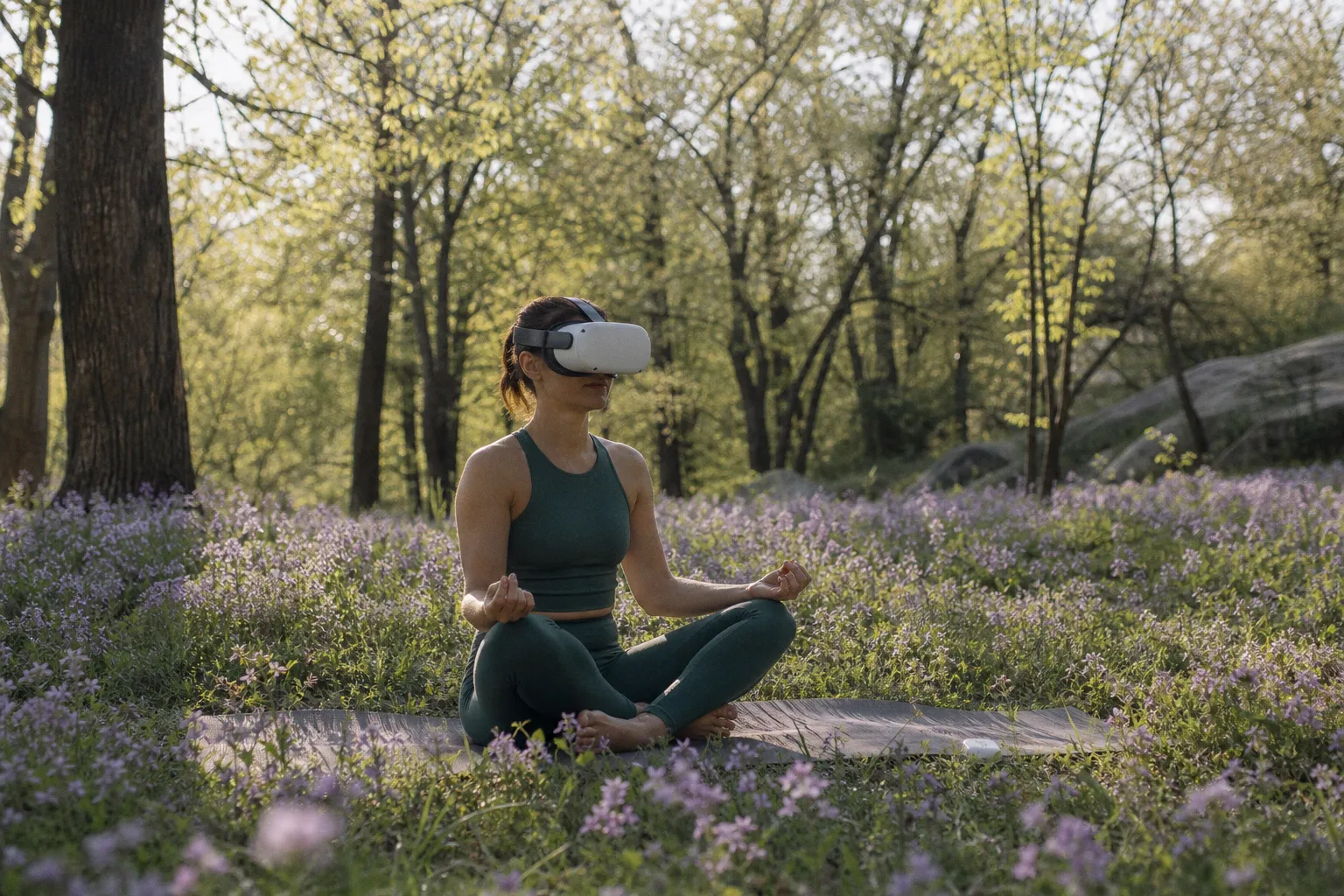
Why Olfaction Changes the VR Equation
The olfactory bulb projects directly to the piriform cortex, the amygdala, and the entorhinal cortex — structures central to emotional tagging and episodic memory encoding. No other sense has this kind of shortcut into limbic architecture. Visual stimuli, even immersive 360° VR, still route through the lateral geniculate nucleus first. Auditory input passes through the medial geniculate body. Olfaction alone skips the thalamic relay almost entirely.
That anatomical fact has a performance implication: scent-primed environments can modulate affective tone faster and with lower cognitive load than purely visual or auditory cues. If the reported findings hold — fewer self-reported negative emotions post-session — the mechanism likely involves rapid attenuation of cortisol-driven arousal loops, not mere distraction. The distinction matters. Distraction is transient; limbic downregulation can shift the dopaminergic baseline over repeated exposures.
What We Actually Know — and What We Don't
The evidence, as reported by News-Medical, is limited to the headline-level finding. No sample sizes, no effect sizes, no control conditions, no protocol details on scent type, timing, or VR content have been disclosed in the available source material. That's a critical gap.
What to watch for:
- Scent specificity. Lavender and citrus have the most published evidence for anxiolytic effects via GABAergic modulation and serotonergic pathways. Whether the study used one of these or a novel compound changes the interpretation entirely.
- Dosing latency. Olfactory habituation occurs within minutes. If sessions ran long, post-session assessments may reflect habituation-induced rebound rather than sustained benefit.
- Active control. Without a VR-only and scent-only arm, attributing the effect to the combination is premature. Additive and interactive effects require factorial designs.
The Practical Signal for the Field
Even with these cautions, the headline registers a directional shift worth tracking. Virtual reality exposure therapy has shown moderate effect sizes for anxiety and PTSD, but dropout rates remain a persistent problem — nausea, dissociation, and emotional overwhelm drive disengagement. If scent integration can blunt acute negative affect without reducing therapeutic engagement, that's a latency-reduction tool for clinicians managing session tolerability.
The measurable takeaway: watch for the peer-reviewed publication behind this report. If it includes HRV or cortisol data alongside self-report measures, the combined-intervention hypothesis gains real traction. If it's survey-only, treat it as pilot data — promising, not protocol-ready.