For a cognitive-performance audience, the relevant question is not whether the branding is appealing. It is whether the intervention, property package, or webinar offers verifiable mechanisms, transparent limits, and measurable outcomes — or merely repackages wellness aspiration in clinical vocabulary.
The webinar format lowers friction — and raises evidence risk
The Trend Hunter item identifies “educational longevity-focused webinars.” No further source text is available in the evidence packet, so the content, faculty, claims, and commercial structure are not confirmed.
That matters. Webinars sit in an ambiguous zone: part education, part lead generation, part clinical funnel. For patients or clients considering a longevity clinic, cognitive optimization program, or wellness residence, the first layer of due diligence is not biological. It is documentary.
Before acting on any webinar offer, request:
- the names and credentials of presenters;
- whether the session is educational, promotional, or tied to a paid program;
- what outcomes are claimed and how they are measured;
- whether claims are based on human data, internal observations, or marketing language;
- what happens after registration: consultation, subscription, testing package, property sales process, or other conversion path.
The core clinical filter is simple: if a longevity claim implies improved cognition, resilience, recovery, sleep, or performance, it should specify the endpoint. “Better brain health” is not an endpoint. Reaction-time latency, sleep metrics, validated cognitive testing, mood scales, and functional measures are closer to the required standard — but the evidence packet does not confirm that these webinars use any of them.
“Longevity residences” are becoming a property category
MSN reports that luxury real estate is embracing the “longevity residences” trend. Newsweek similarly frames the shift as real estate pivoting to longevity residences.
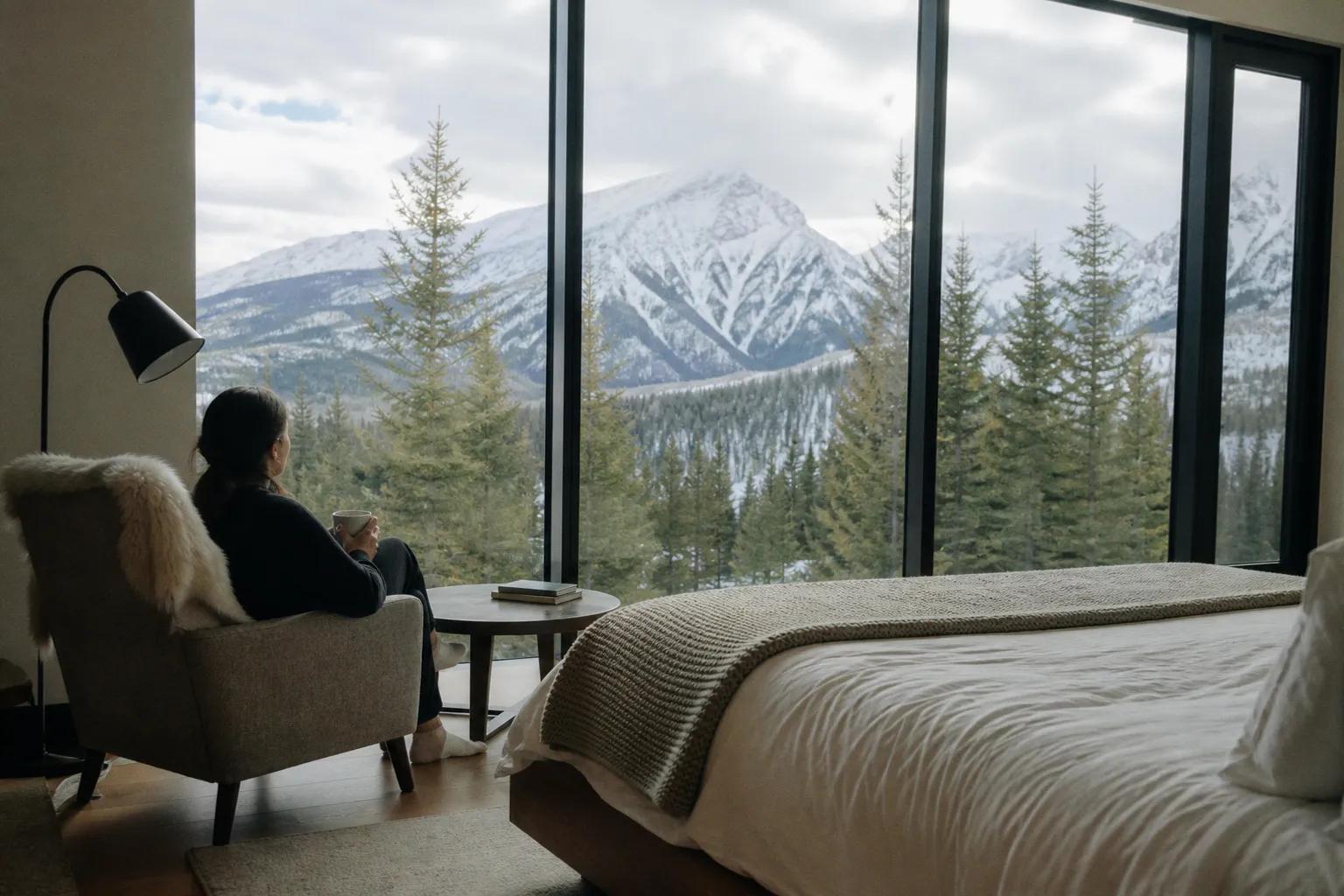
The convergence is notable. Longevity is no longer being sold only as a supplement stack, clinic protocol, or retreat. It is being embedded into place: where people live, recover, exercise, socialize, and purchase services. That creates a more complex risk profile than a single appointment or course.
A residence can bundle architecture, amenities, health services, diagnostics, nutrition, spa infrastructure, and community programming under one brand promise. But the evidence packet does not confirm which of these elements are present in the reported properties. So the practical standard remains conservative: separate the physical asset from the health claim.
For any buyer, resident, or clinic client, key checks include:
- what is included in the residence contract versus sold separately;
- whether any medical or wellness services are provided on-site;
- who is clinically responsible for those services;
- whether “longevity” refers to amenities, healthcare, programming, or investment positioning;
- what refund, cancellation, and liability terms apply if advertised services change.
The dopaminergic pull of premium wellness environments is predictable: low friction, high status, strong narrative. But neuroplasticity and long-term cognitive performance do not respond to branding density. They respond to repeated behaviors, adequate recovery, measurable intervention quality, and adherence over time. A residence may support those conditions. It does not prove them by naming them.
The market signal is getting larger — but not clearer
Money and Banking reports that CPN is investing 4,500 billion baht in Central Northville and presenting it as a Longevity Economy model intended to capture growth in health and wellness demand.
That is the strongest scale signal in this small cluster. It also shows why patients and clients need a sharper decision protocol. When longevity becomes an economic category, the vocabulary of prevention, performance, and healthy aging will increasingly appear in settings that are not purely medical.
The useful response is not cynicism. It is measurement discipline.
If evaluating a webinar, clinic pathway, or longevity-branded residence, ask for the evidence layer before the lifestyle layer:
- What specific cognitive, physiological, or behavioral outcomes are being targeted?
- What baseline assessment is performed?
- What follow-up interval is used?
- Who interprets the data?
- What are the exclusion criteria, risks, and limits?
- Which claims are educational, and which are contractual?
The current reports confirm momentum, not efficacy. Treat “longevity” as a hypothesis until the provider shows the mechanism, the measurement plan, and the documents that define responsibility. That is the minimum threshold before converting interest into payment, enrollment, or relocation.