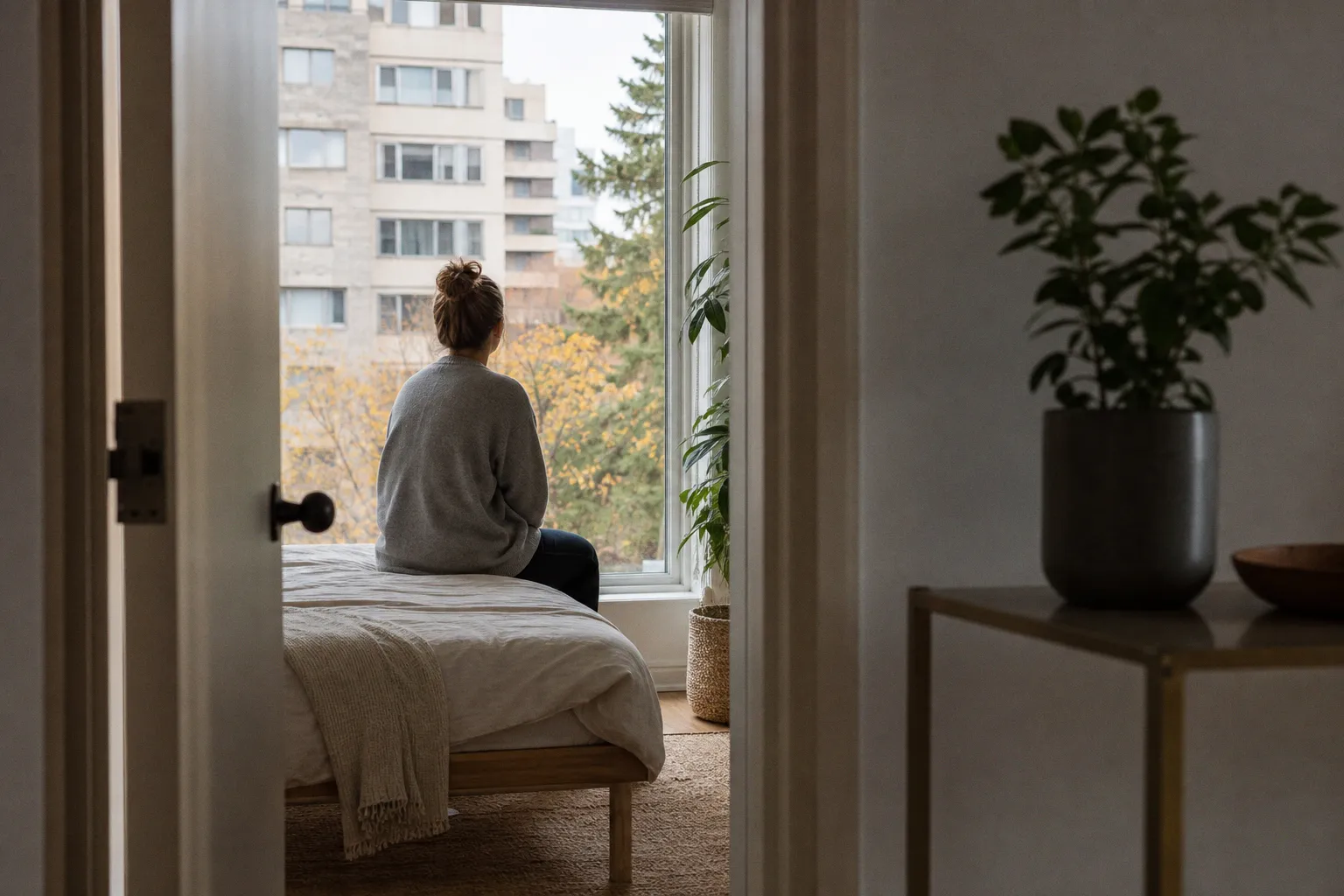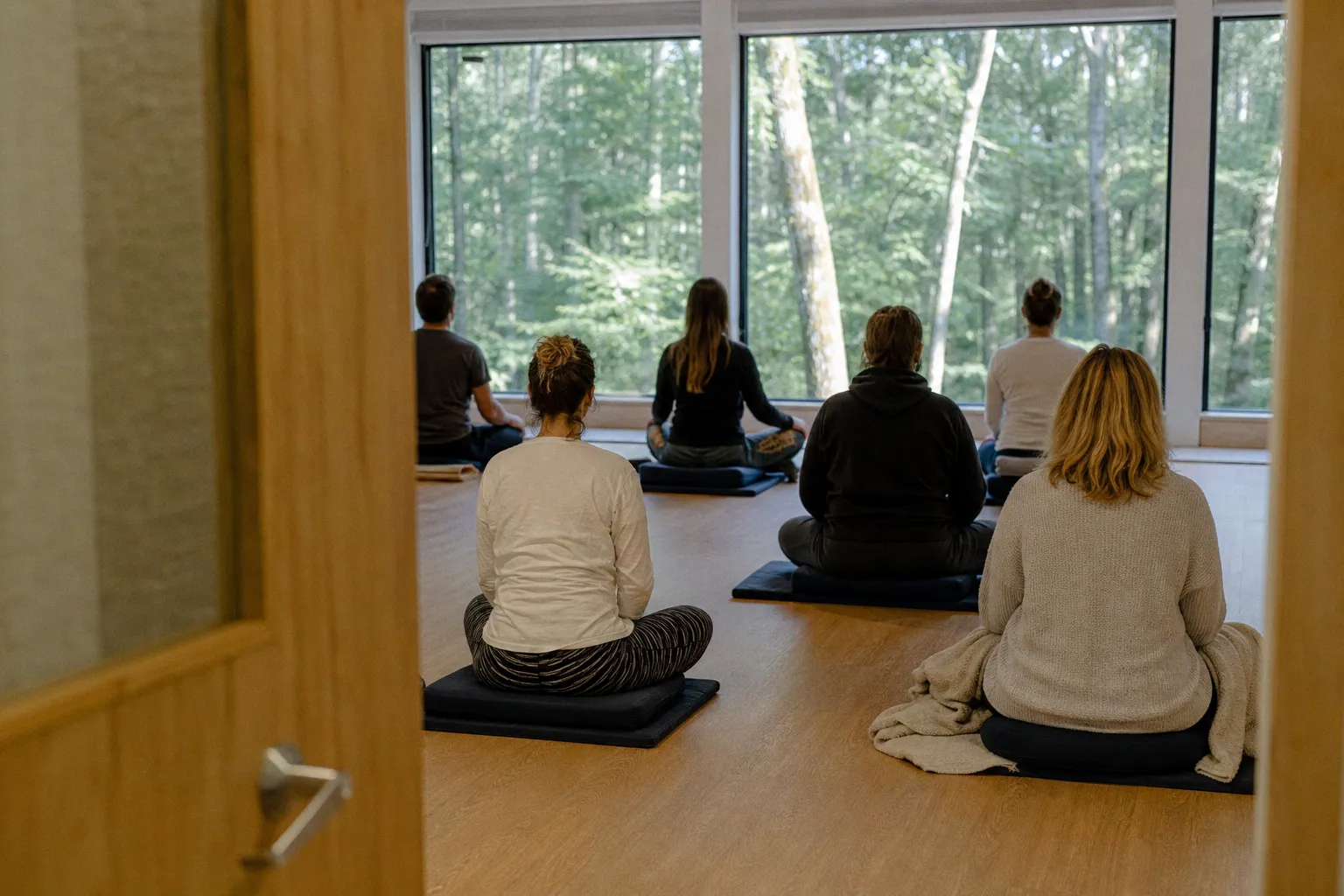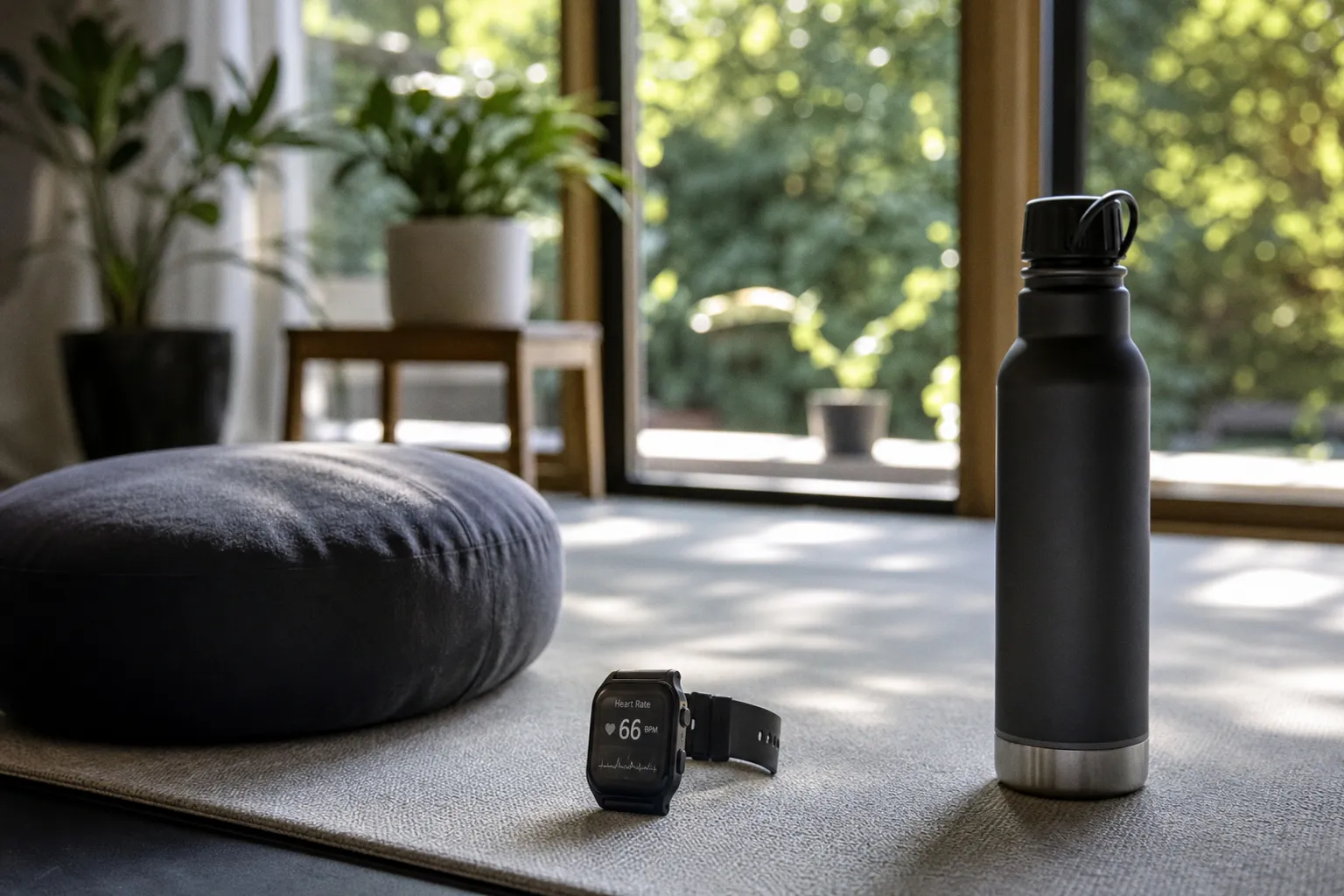
Stress has a way of making the mind feel both overactive and strangely narrow. We can be exhausted and still unable to rest, aware that we need space and yet pulled back into the same loops: the email we did not answer, the conversation we keep replaying, the body that will not quite unclench. This is where mindfulness meditation for stress becomes more than a wellness phrase. Used steadily, it is a trainable way of working with the nervous system rather than arguing with it.
The promise is not that we become permanently calm, untouched by pressure, or somehow above ordinary human reactivity. That would be a fragile and unfair expectation. The more useful promise is quieter: with practice, we learn to notice stress earlier, soften the physiological surge, and respond with more choice. Neuroscience, clinical experience, and the long, practical history of mindfulness-based stress reduction all point in the same direction: attention, when trained gently and consistently, can become an anchor for resilience.
The neuroscience of calm: how mindfulness changes the stress response
When we speak about stress, we often talk as if it is only a feeling. In practice, stress is a whole-body event. The brain detects threat or overload, the sympathetic nervous system mobilizes us, cortisol rises, muscles prepare for action, and attention narrows toward whatever seems urgent. This is not a personal failure. It is a survival system doing its job, sometimes too often and for too long.
Mindfulness meditation helps because it does not begin by demanding that the stress response disappear. Instead, it changes our relationship to the signals. We learn to observe the tightening in the chest, the quickened thoughts, the impulse to fix everything at once. That act of observing is not passive. It recruits networks involved in attention, interoception, and emotional regulation. Over time, the mind becomes less fused with the alarm.
One of the most studied biological markers here is cortisol, often described as the body’s primary stress hormone. Research on mindfulness interventions has found significant reductions in salivary cortisol, suggesting that regular practice can help modulate the physiological stress response rather than merely make us feel subjectively soothed. This matters because chronic stress is not only uncomfortable; it can erode sleep, concentration, mood stability, immune functioning, and the ordinary patience we need to live well with others.
The amygdala is another central part of the story. This brain region helps detect threat and activate the familiar fight-or-flight response. Neuroimaging studies have associated consistent mindfulness practice with reduced gray matter density in the amygdala, a finding that fits with what many practitioners report clinically: the stress signal may still arise, but it does not dominate the whole inner landscape as quickly or as completely.
Mindfulness does not ask us to win a battle against the nervous system. It teaches us to stop escalating the battle.
There is an important nuance here. We should not treat mindfulness as a quick neurological renovation project. The exact minimum number of days required to create lasting structural brain change remains debated, and the brain does not transform according to motivational slogans. But we do know that repetition matters. Like physical rehabilitation, mindfulness works through many modest repetitions rather than one dramatic breakthrough.
For someone living under pressure, this can feel almost disappointing at first. We want relief now, understandably. Yet the modesty of the method is also its strength. A breath noticed. A thought named. A jaw softened. A pause before replying. These small moments, repeated daily, begin to teach the body that stress does not have to become a full internal takeover.
From fight-or-flight to steadier ground: the vagus nerve connection
If the sympathetic nervous system helps mobilize us for action, the parasympathetic nervous system helps us return toward recovery. The vagus nerve is a major pathway in that settling process. It connects the brain with the heart, lungs, and digestive organs, and it plays a meaningful role in downshifting arousal.
Focused breathing, one of the core mindfulness techniques for anxiety and stress, stimulates the vagus nerve and supports parasympathetic activation. This is one reason the breath is used so often in meditation. It is not because breathing is poetic or convenient, though it is both. It is because the breath gives us a direct, bodily route into regulation.
When we are stressed, breathing often becomes shallow, fast, or held without awareness. The body receives this as more evidence that something is wrong. In mindfulness practice, we are not forcing the breath into a perfect pattern; we are learning to notice it, gradually lengthen the exhale when that feels safe, and let the body experience a signal of relative safety.
A simple sequence can be enough to begin:
1. Notice the body before changing anything. Feel the points of contact: feet on the floor, back against the chair, hands resting somewhere stable. This tells the mind we are beginning from what is real, not from an instruction to perform calm.
2. Let the breath become visible to attention. You might track the air at the nostrils, the movement of the ribs, or the rise and fall of the abdomen. Choose the place that feels most neutral.
3. Slightly lengthen the exhale. Not dramatically. If you inhale for a natural count of three, perhaps exhale for four or five. The aim is not breath control as achievement; it is a gentle nudge toward parasympathetic settling.
4. Name what pulls you away. “Planning.” “Worrying.” “Remembering.” “Judging.” This naming helps separate you from the thought stream without dismissing it.
5. Return without scolding yourself. Returning is the practice. Wandering is not the mistake; harshness about wandering is usually what makes the practice feel unsafe.
This is where many people quietly lose confidence. They sit down to meditate and discover not peace, but noise. The mind produces errands, fears, fragments of old conversations, and a sudden interest in reorganizing the entire kitchen. We can take this as evidence that we are “bad at meditation,” or we can understand it more accurately: for the first time all day, we have stopped moving fast enough to outrun the contents of the mind.
Mindfulness is not the absence of thought. It is the steady unraveling of automatic identification with every thought. That distinction is essential. When a thought says, “I cannot cope,” mindfulness gives us a little room to notice, “A thought of not coping is here.” That small grammatical shift can reduce the urgency enough for a wiser next step.
What mindfulness-based stress reduction teaches us about structure
Modern clinical mindfulness owes much to Mindfulness-Based Stress Reduction, commonly known as MBSR. Jon Kabat-Zinn founded the Stress Reduction Clinic at the University of Massachusetts in 1979, and the MBSR model has since become one of the most influential structured approaches to meditation for stress, pain, and emotional regulation.
Traditional MBSR is not a vague invitation to relax when life becomes uncomfortable. It is usually an eight-week course with weekly group sessions and daily home practice. In the original protocols, daily practice is often around 45 minutes. For many beginners, that number can feel unrealistic, especially if stress is already compressing the day. Still, the structure teaches us something important: mindfulness deepens when it is treated as training, not as an emergency tool we only reach for after we are already flooded.
At the same time, we need to be humane about implementation. Many people begin to see stress-reduction benefits with 10 to 20 minutes of daily meditation, especially when the practice is consistent and paired with ordinary moments of mindful awareness during the day. We do not have to choose between a full traditional protocol and doing nothing.
Here is a practical way to think about the difference:
| Practice format | What it offers | What to watch for |
|---|---|---|
| 8-week MBSR course | Strong structure, guided learning, group support, systematic exposure to sitting practice, body scan, and mindful movement | Requires time, emotional readiness, and a willingness to practice between sessions |
| 45-minute daily practice | Deeper continuity, more opportunity to observe patterns, closer to traditional MBSR training | Can become discouraging if treated as the only “real” version of mindfulness |
| 10–20 minute daily practice | More accessible for beginners, easier to sustain, often enough to begin changing stress habits | Needs consistency; occasional practice may feel pleasant but less transformative |
| Micro-practices during the day | Helps translate meditation into real life: meetings, parenting, commuting, difficult conversations | Works best when supported by some formal practice, even a short one |
The best practice is not the most impressive one; it is the one we can return to without making it another source of self-criticism. A person recovering from burnout may need five minutes of breathing and a longer walk before they can tolerate formal sitting. Someone with high cognitive demand at work may benefit from two 12-minute sessions, one before the day accelerates and one before evening rumination takes over. A parent of young children may practice during the first quiet pocket after bedtime, imperfectly and with interruptions. These are not inferior versions. They are the living forms practice takes inside actual lives.
Consistency matters more than intensity because the nervous system learns through repetition, not through heroic effort.
A mindfulness-based stress reduction guide should also be honest about difficulty. For some people, closing the eyes and turning inward can increase distress, particularly when trauma, panic, or severe depression is present. Mindfulness is not a replacement for professional mental health care, and it should not be presented as a cure for clinical anxiety or depression. If practice reliably makes you feel overwhelmed, dissociated, or unsafe, that is information worth respecting. Eyes-open practice, grounding through sound, mindful walking, or working with a qualified clinician may be more appropriate.
Daily meditation for stress relief: building a practice that survives real life
The phrase daily meditation for stress relief can sound deceptively simple. Sit. Breathe. Feel better. In reality, the practice becomes sustainable when it is specific enough to follow and flexible enough to survive interruptions.
I often encourage people to begin by choosing a repeatable container rather than chasing a particular state. The container might be 12 minutes after brushing your teeth in the morning, 15 minutes before lunch, or 10 minutes in the car before going into the house after work. The nervous system appreciates predictability. Over time, the chosen moment becomes less of a decision and more of a cue.
A grounded beginner practice might look like this:
1. Arrive for one minute. Sit in a chair or on a cushion with a posture that is alert but not rigid. Let the hands rest. Let the eyes close or lower. Notice that you have stopped.
2. Scan the body for three minutes. Move attention slowly through the forehead, jaw, throat, shoulders, chest, abdomen, hands, hips, legs, and feet. You are not trying to relax each area by force; you are gathering information with kindness.
3. Follow the breath for five to ten minutes. Pick one area where the breath is easiest to feel. When the mind wanders, name the distraction softly and return.
4. Widen awareness for two minutes. Include sounds, body sensations, emotions, and thoughts as events arising and passing. This helps us practice being with experience rather than narrowing around one stressor.
5. Close with one practical intention. Not a grand declaration. Something small: “I will pause before opening email,” or “I will feel my feet before the meeting begins.”
This last step matters because meditation should not become a private island of calm disconnected from the rest of the day. Stress usually spikes in relationship with tasks, people, deadlines, uncertainty, and bodily fatigue. We need to carry mindfulness into those contact points.
For example, before reading a difficult message, we can feel the hands and exhale slowly once. Before responding to criticism, we can notice whether the body is preparing to defend, collapse, or please. During a busy afternoon, we can take thirty seconds to name the dominant state: “rushed,” “tight,” “uncertain,” “tired.” Naming does not solve the situation, but it reduces the blur. And when stress is less blurry, our choices usually improve.
This is also how mindfulness techniques for anxiety become more than symptom management. Anxiety often feeds on prediction: what if this goes wrong, what if I cannot handle it, what if the feeling never ends. Mindfulness brings attention back to the current layer of experience. The body is tense. The thought is frightening. The breath is shallow. The feet are on the floor. The next task is one phone call, not an entire imagined future. We are not denying uncertainty; we are reducing the mind’s tendency to live inside it all at once.
How mindfulness reduces cortisol without turning life into a laboratory
The question of how mindfulness reduces cortisol is appealing because it gives us something measurable. In a field crowded with vague claims, biomarkers can anchor the conversation. Cortisol rises as part of the body’s stress response, and chronic elevation or dysregulation can be associated with poor sleep, fatigue, irritability, and difficulty recovering after pressure. Mindfulness practice appears to help by reducing perceived stress, improving emotion regulation, and shifting autonomic balance toward recovery.
But we need to be careful not to turn cortisol into another thing to worry about. Most of us do not need to monitor our stress hormones to know whether life feels sustainable. We can notice the practical signs:
- You recover a little faster after being startled, criticized, or delayed.
- You catch rumination earlier, before it consumes the whole evening.
- You can feel stress in the body without immediately obeying its instructions.
- You sleep with fewer loops of unfinished thinking.
- You become less reactive in the small moments that usually drain you.
These changes may look ordinary from the outside, but clinically they are meaningful. A person who pauses before sending the sharp reply is protecting a relationship. A person who notices jaw tension at 2 p.m. may prevent the evening headache. A person who recognizes “I am overwhelmed” before adding three more tasks may begin to recover agency.
Mindfulness also helps us distinguish between clean stress and added suffering. Clean stress is the actual demand: the deadline, the medical appointment, the financial decision, the difficult conversation. Added suffering is the second layer: “I should not feel this way,” “I always fail,” “Everyone else is coping,” “This will never change.” Meditation does not remove all demands. It helps us see the second layer more clearly, and often that layer is where much of the exhaustion lives.
This reframing is not toxic positivity. We are not trying to decorate distress with cheerful language. We are learning to meet distress without multiplying it. That is a very different, much sturdier skill.
Sleep, rumination, and cognitive resilience
Stress often becomes most obvious at night, when the day finally stops providing distractions. The body is tired, but the mind opens its files: unfinished work, old regrets, future planning, social discomfort, health worries. This pre-sleep cognitive arousal can keep the nervous system activated precisely when it needs to downshift.
Mindfulness interventions have been shown to improve sleep quality by reducing pre-sleep rumination and cognitive arousal. Again, the mechanism is not magical. If we have practiced noticing thoughts during the day, we are more likely to recognize nighttime rumination as a mental process rather than a command that must be followed until 2 a.m.
A useful evening practice is not necessarily a full seated meditation. For some people, formal meditation in bed accidentally becomes another arena for effort. Instead, we can use a simple wind-down sequence:
1. Three minutes of sensory settling. Notice five sounds, the temperature of the room, the contact of the body with the bed, and the movement of the breath. Keep returning to sensation.
2. A brief thought label. When the mind presents a problem, name it: “planning,” “rehearsing,” “worrying,” “reviewing.” The label should be plain, not argumentative.
3. A body-based exhale. Let the exhale be slightly longer than the inhale for several rounds, softening the abdomen if that feels comfortable.
4. Permission to continue tomorrow. This is not avoidance. It is a boundary: the mind is allowed to solve problems more effectively after sleep.
Cognitive resilience grows from this same pattern. We become more capable not because stress disappears, but because fewer of our internal resources are spent fighting the fact that stress exists. Attention becomes less scattered. Working memory is less hijacked by rumination. Emotional reactions still occur, but they are more likely to move through rather than harden into the tone of the whole day.
Burnout recovery deserves special care here. Mindfulness can support recovery by helping us notice depletion, reduce automatic overextension, and rebuild contact with the body’s limits. But burnout is not solved by meditation alone if the conditions that produced it remain unchanged. A person cannot breathe their way out of a workload that consistently violates human capacity. Mindfulness can help us see that more clearly and act with more steadiness: setting boundaries, asking for support, reducing unnecessary stimulation, and making rest less negotiable.
Integrating mindfulness into the day without making it another demand
The most durable mindfulness practice is not confined to the cushion. It begins there, perhaps, but it matures in the ordinary moments where stress usually claims us.
We can build small anchors into transitions:
- Before opening the laptop: one full breath, feeling the seat and feet.
- Before a meeting: notice the emotional weather without trying to change it.
- After a difficult exchange: place a hand on the chest or abdomen and track three exhales.
- Before eating: pause long enough to see the food and register hunger or tension.
- Before sleep: label the mind’s top concern and return to body sensation.
These micro-practices are not substitutes for deeper practice, but they are bridges. They teach the brain that mindfulness is not an activity we perform only in ideal conditions. It is a way of returning to the present moment when conditions are imperfect, which is when we need it most.
If you are beginning now, I would keep the first commitment almost disarmingly small: 10 minutes a day for two weeks. Same time if possible, same place if possible, with no demand that you feel peaceful. Track only whether you practiced, not whether the session was pleasant. This protects you from judging the practice by the mood you happened to bring into it.
After two weeks, ask a more useful question than “Am I calm now?” Ask: “Do I notice stress a little earlier?” If the answer is yes, even slightly, the practice is already doing something important. Earlier noticing creates earlier choice. Earlier choice is where resilience begins.
Mindfulness meditation for stress is not a promise that life will stop pressing on us. It is a disciplined, compassionate way to stop abandoning ourselves when pressure arrives. We learn the body’s signals, we steady the breath, we name the mind’s loops, and we return—not perfectly, not once and for all, but often enough that the nervous system begins to trust the path back.
For today, the micro-habit is simple: before your next task, pause for one breath longer than usual. Feel your feet. Let the exhale finish. Then proceed. That is not too small to matter. It is the exact size of a beginning.