The new hierarchy, and what it changes
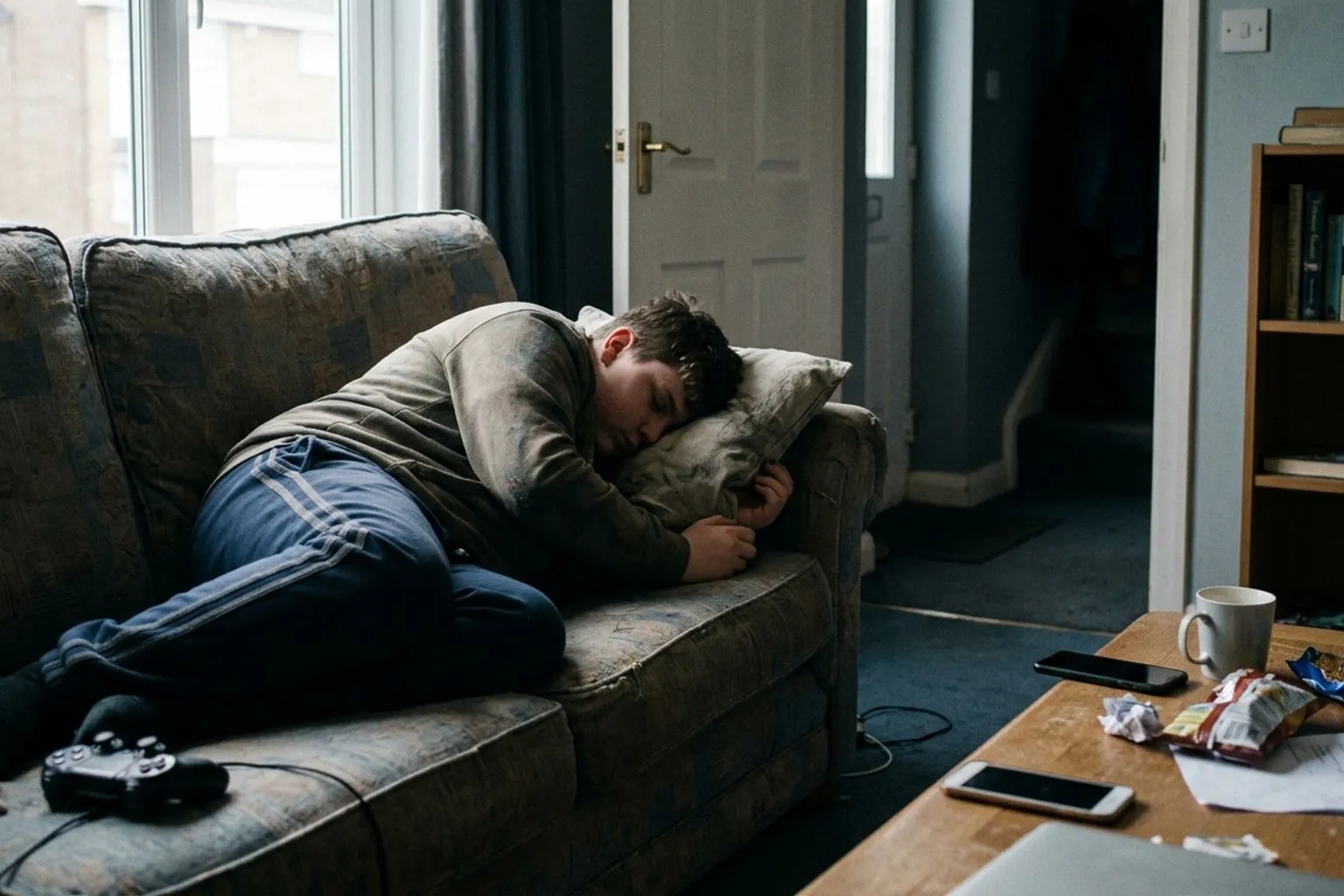
The cultural default places screens at the top of the teen-sleep problem list. The dataset demotes them. Psychological well-being carried the most weight in protecting sleep quality. Device exposure and body composition carried real signal, but neither matched the protective strength of intact mental health.
That reordering has immediate clinical consequences. For an adolescent presenting with fragmented sleep, the intake workflow inverts: mood screening moves to the front, the device audit becomes the second pass, and sleep hygiene education drops to a downstream optimization layer. The "screen curfew first" protocol many parents default to isn't wrong—it's just incomplete. It acts on the second-strongest variable while leaving the strongest untouched.
The framing also matters for messaging. Telling a sleep-deprived teen to "put the phone down" while ignoring the underlying mood disruption often produces compliance theater at best. The protective-factor data suggests the lever order should be reversed—address the mood variable first, then enforce the device boundary as a secondary optimization.
Decoding the terminology
A protective factor isn't merely a correlate—it implies a directional relationship. Mental health appears to buffer sleep quality against disruption. The study compresses that interpretation into a clean rank-order, but the cross-sectional design places a caveat on direction. The data can show that mental health and sleep quality co-vary; they cannot, on their own, prove that improving one causes improvement in the other. For sequencing decisions, the distinction matters less than the strength of the association.
Body mass index tracked with sleep quality in the same cohort, alongside screen time, as a significant correlate. The source data don't resolve causal direction—but they do establish that BMI belongs on the same monitoring panel as sleep and mood, not as an isolated metric. That coupling has practical weight: tracking only sleep duration without the BMI variable gives a partial read of the system.
The protocol, ranked
For clinicians, parents, and performance-focused adults working with adolescents, the working protocol compresses to three variables ranked by signal strength in this dataset:
- Mental health status
- Screen time
- BMI
The order is the finding. When an adolescent presents with sleep complaints, screen time is the second question to ask, not the first. The mood screen comes first—because the data says it carries the most weight.