Digital Biomarkers Achieve Longitudinal Fidelity
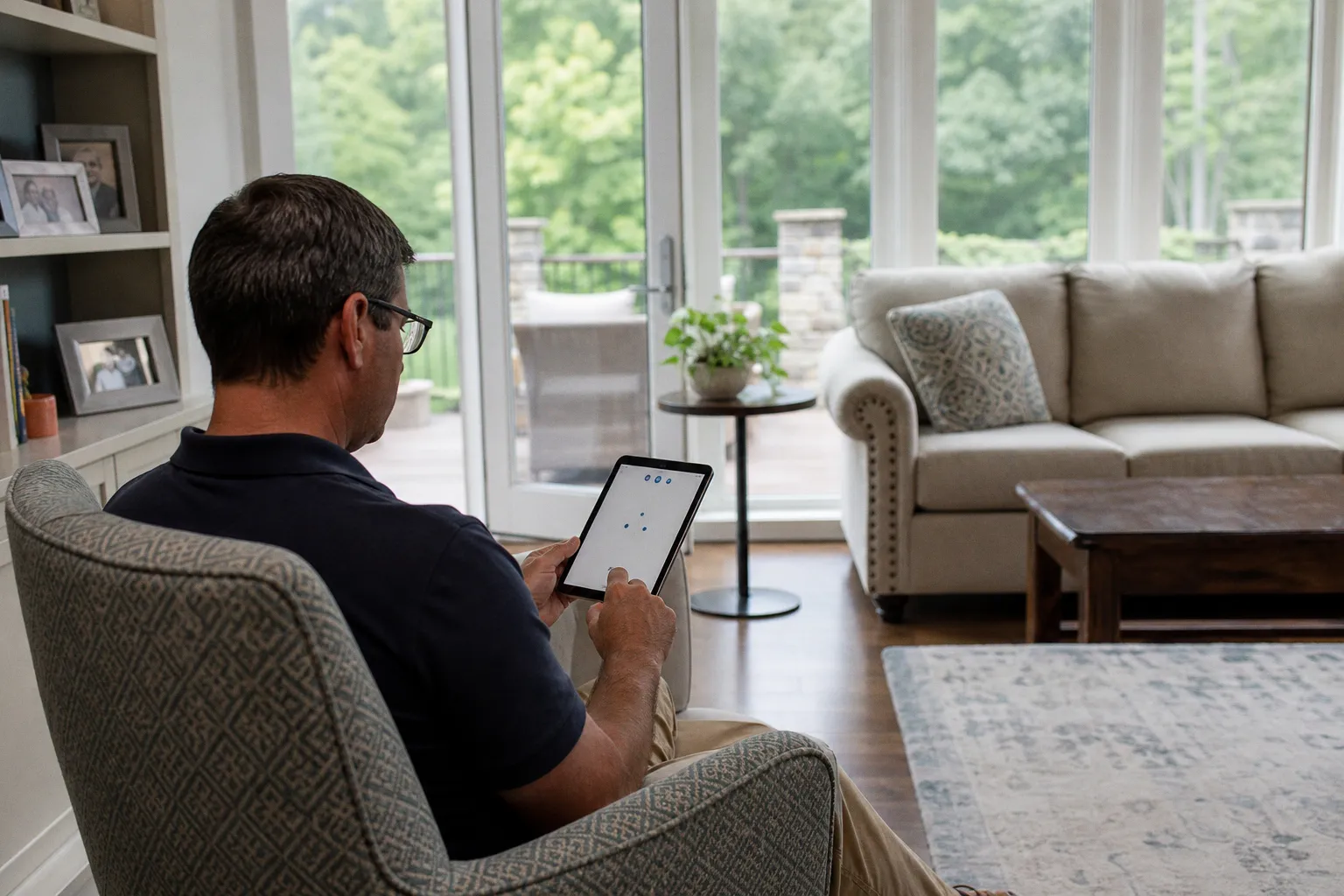
The CNS-101 trial demonstrates that objective, frequent, home-based measurement is now viable for neurodegenerative disease. Patients completed 99.7% of initiated sessions on the NeuLogiq platform, which integrates a dry-sensor EEG headset with gamified cognitive tasks. This adherence rate, sustained over 52 weeks, provides high-resolution data streams across cognition, electrophysiology, and sleep. The platform directly addresses the sensitivity gap in standard clinical endpoints, which often fail to detect subtle, early-stage treatment effects due to infrequent measurement and rater error. High-fidelity, real-world data collection reduces trial burden and cost while increasing statistical power to detect disease modification.
Sleep as a Primary Genetic Modifier
Genetic risk for Alzheimer's is not a deterministic score but a conditional variable. Research indicates that variations in the aquaporin-4 (AQP4) gene—which influences glymphatic clearance efficiency—interact with sleep quality to impact memory and brain structure. The glymphatic system, the brain's waste-disposal network, is most active during deep sleep. Poor sleep diminishes this clearance, allowing amyloid-beta accumulation. Consequently, the phenotypic expression of genetic risk may depend heavily on modifiable sleep behaviors. This positions sleep hygiene not as a generic wellness tip but as a targeted intervention for individuals with specific, high-risk genotypes.
Protocol Translation for Cognitive Resilience
The convergence of these findings points to a measurable, two-pronged protocol for cognitive health. First, leverage objective digital tools for frequent assessment to establish a granular personal baseline. Metrics like EEG patterns and response latency provide early warning signs beyond subjective report. Second, implement rigorous sleep optimization. This means prioritizing deep sleep stages through consistent sleep schedules, temperature control, and potentially leveraging genetic data to identify individuals for whom sleep intervention is most critical. The objective is not vague "better brain health," but the specific mitigation of glymphatic inefficiency. The takeaway is clear: long-term cognitive maintenance requires continuous data and non-negotiable sleep architecture.